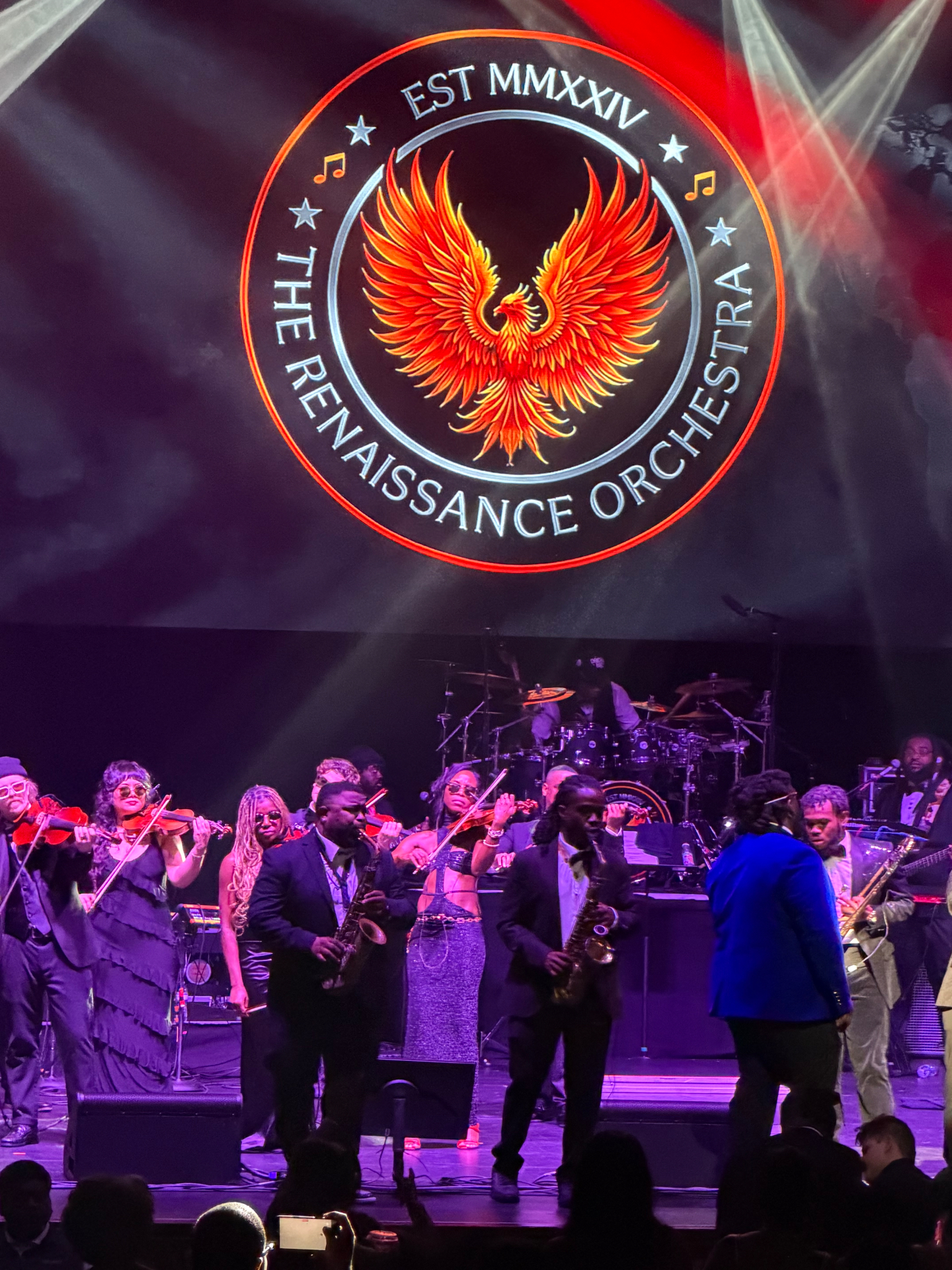
The Architecture of the Unit: Hollywood Bowl w/ Al Green
Standing on the stage of the Hollywood Bowl, looking out at 17,000 seats, you realize the most important architecture isn't the stage — it's the unit performing on it.
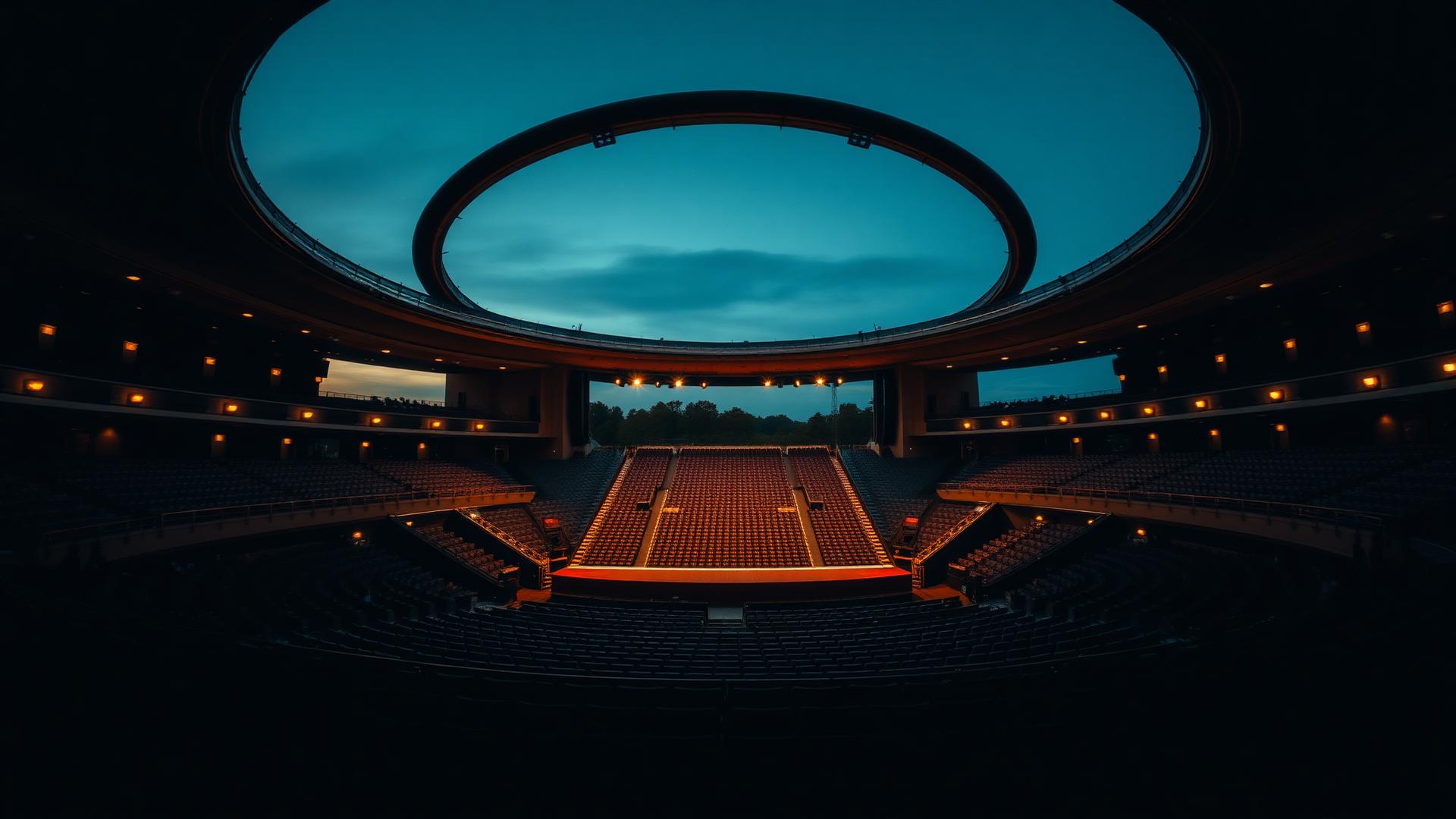
Standing on the stage of the Hollywood Bowl, looking out at 17,000 seats, you realize that a production of this magnitude is a feat of engineering. But the most important architecture isn't the stage — it's the unit performing on it.
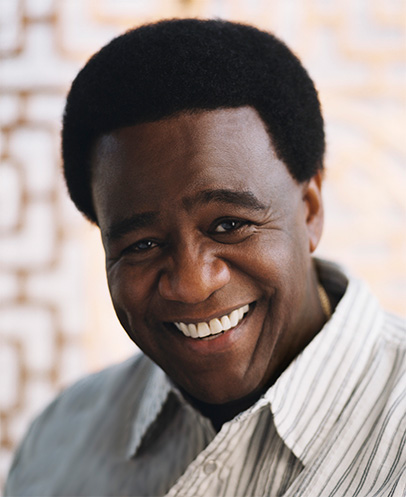
A principal like Al Green could carry any room on his own. His legacy is the foundation. But he chooses to bring a unit. Why? Because of the resonance. There is a frequency that a cohesive band creates that even a legend can't replicate solo.
The frequency of a unit
I've seen it during the transition into "Let's Stay Together." When he stops the music on a dime and calls for a saxophone solo, the atmosphere shifts. In those seconds, it's not just about playing notes; it's about having the rapport to meet the moment with total execution.
“The right combination is the only way to achieve true impact.”
Scale without ego
The Bowl teaches you that scale doesn't have to feel impersonal. When the unit is locked in, 17,000 seats start to feel like one room. The horn becomes a conversation, not a broadcast. That's the difference between performing and curating.
This is the work: building combinations that hold up under the brightest lights, in front of the largest rooms, with names that history already remembers.